Game Development
12 Games of Christmas
Learn to code by creating 12 fun Christmas-themed games, perfect for beginners and festive learning.
Gain hands-on coding experience through themed projects.
FIND YOUR NEXT BOOK
A clear shelf. The details that matter. A little space to work out what you want to read next.
Book information. Reader perspectives. Direct retailer links.
A GOOD NEXT STEP
Start with something you want to understand.
02 / COMPAREChoose with confidence.Use the synopsis, book facts, and your own question.
03 / READMake room on the shelf.Find a title and follow its retailer link.
THE BOOKS
Learn to code by creating 12 fun Christmas-themed games, perfect for beginners and festive learning.
Gain hands-on coding experience through themed projects.

A fun, beginner‑friendly guide to building retro arcade games and boosting your creative confidence.
Learn the basics of building retro‑style arcade games.
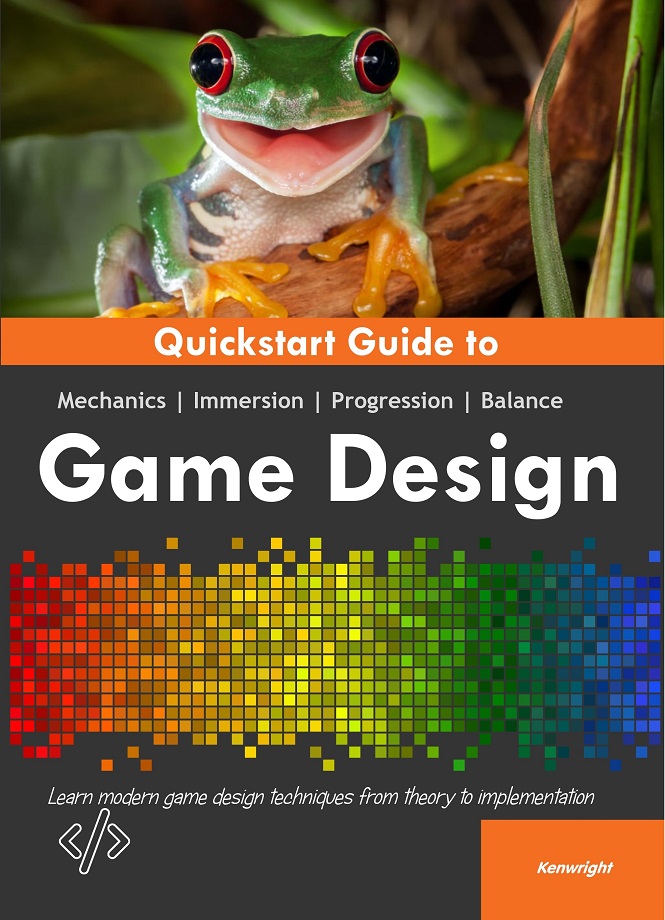
A practical beginner’s guide to game design, focusing on small projects and core principles.
Understand the core principles of game design.

JavaScript in 20 Minutes (Coffee Break Series) provides a fresh and engaging entry point into one of the most dynamic areas of modern tech.
Master practical coding skills.
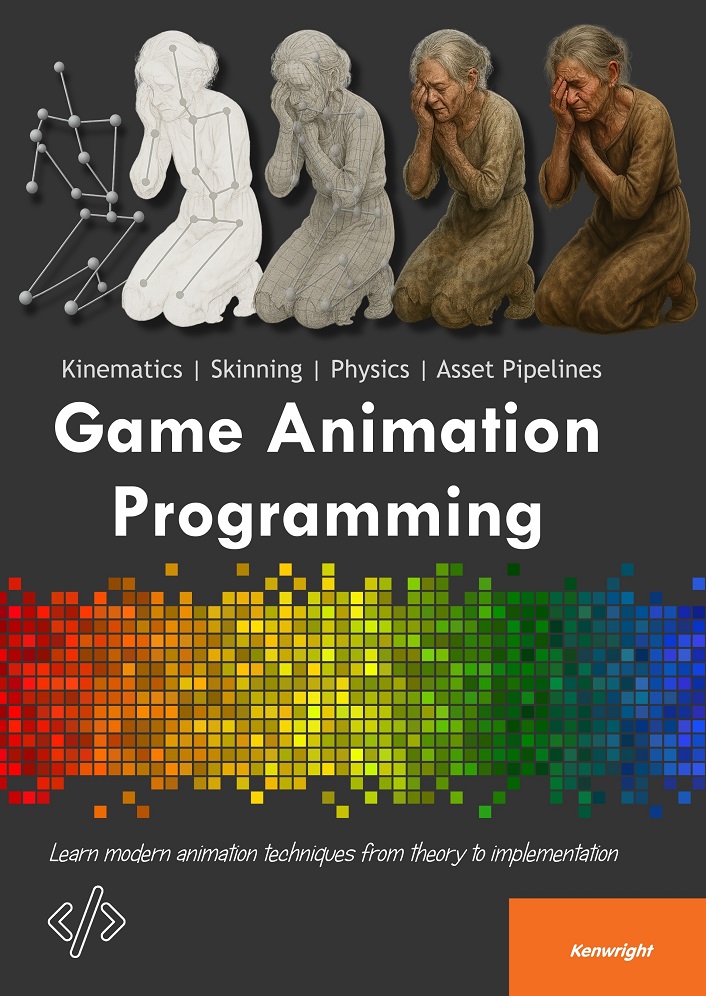
Master advanced animation programming concepts including rigs, inverse kinematics, and ragdoll systems.
Understand advanced animation programming concepts.

WebGPU API Games provides a fresh and engaging entry point into one of the most dynamic areas of modern tech.
Master practical coding skills.
A NOTE FOR YOUR NEXT CHAPTER
Think about when and where you will read. Use the synopsis and available page count to judge the scope, then choose a book that fits your current interest and available attention.
Explore this reading approachBEYOND THE BOOKSHELF
Around 90,000 properties are without power after Scotland and north England is battered by strong winds.
Read at feeds.bbci.co.ukWe place life’s bets by countless calculations of probability, conscious and unconscious, only to discover over and over how short they fall of the wildest reaches of the possible, which always includes but exceeds the probable.…
Read at www.themarginalian.orgUkraine has changed drone and war-fighting tech to reduce reliance on Starlink.
Read at arstechnica.comANOTHER PERSPECTIVE
Good book. The writing is direct and the author is honest about limits.
I bought this on a whim after seeing it mentioned in a forum thread, and I am glad I did. The index and cross-references are surprisingly good, which matters for a book I will come back to. The examples are small enough to type out and experiment with, which is exactly what I want from a book like this. I particularly liked the way the author builds up from simple cases before introducing the harder material. Four stars, and I suspect a second edition could easily push it to five.
A useful guide. The examples assume a particular environment, but that is fixable.
I picked this up after getting stuck on a project and it turned out to be exactly the right book at the right time. The exercises at the end of each chapter are worth doing — they caught a few misconceptions I did not know I had. It is denser than the page count suggests, and I found myself slowing down around the middle. A good addition to a technical library, as long as you know what you are buying.
Strong content, uneven pacing. I would still recommend it.
I read this over a couple of weekends alongside a small side project, which turned out to be the ideal way to approach it. The examples are small enough to type out and experiment with, which is exactly what I want from a book like this. A couple of chapters felt like they could have been merged, but that is a minor complaint. The author avoids over-explaining, which keeps the pace up but means you need to pay attention. Worth picking up if you already have the basics. Set realistic expectations and you will get a lot out of it.
Compare scope and subject before adding another title to your list.